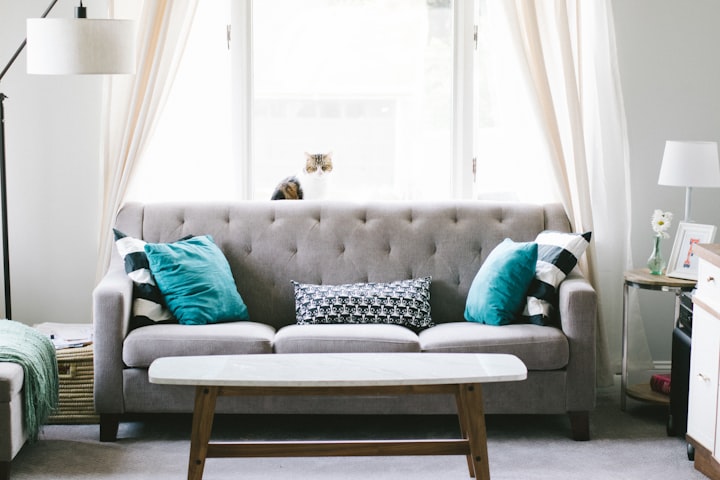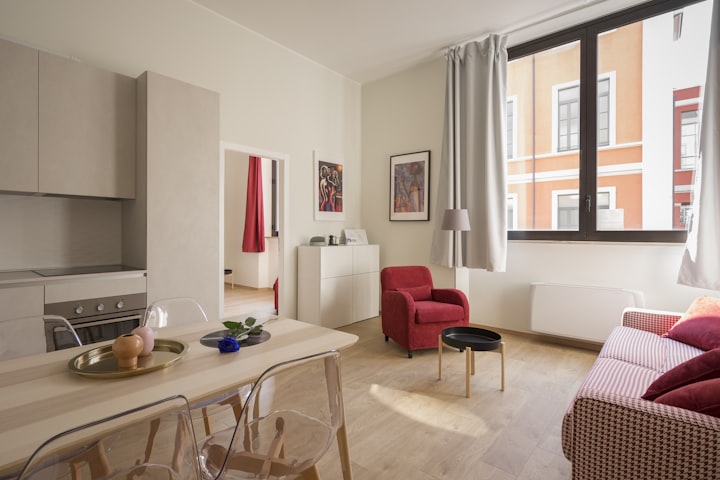
Shared flats have one phenomenon the world over: everyone's bedroom has a personality, and the lounge looks like an unclaimed station concourse — a tired sofa the landlord left, a coffee table buried under takeaway bags, and one big white light nobody wants to switch on.
The reason isn't laziness; it's the word "shared". Everyone feels it isn't their space, so paying to fix it feels like a loss, and tidying it feels like becoming the permanent cleaner. So this note is a bit different from the others — a third about decorating, two-thirds about agreeing the rules with your flatmates. Get the rules sorted and the decorating is almost incidental.
The short version
- The root of a neglected lounge is unclear ownership: who pays, who maintains it, who keeps it when they leave — settle those three first.
- The system that works best: a small common fund plus a "who pays, keeps" rule, all written in the group chat.
- Start with changes that take no one's space: a lamp, plants, a rug — least resistance, most effect.
- A shared kitchen runs on "dividing it up", not on goodwill: a layer or slot each, with the shared zone clearly marked.
- Before a pet moves in, clear both gates — the landlord and every flatmate — in writing.
Why the lounge ends up neglected
Economics textbooks call it the tragedy of the commons; the shared-flat translation is: a place everyone uses and nobody is responsible for always ends up a store-room. Across the three shared flats I've lived in, the fate of the common area was actually decided in the first month — by whether anyone said out loud "who looks after this place". Where nobody did, the lounge grew a clutter-mountain within three months. Where someone did, it became the most-used room in the flat, and the whole shared relationship was easier for it.
So the first step in fixing a shared lounge isn't buying things. It's calling a fifteen-minute house meeting.
Money and rules before looks
The meeting needs to settle three things, all written into the group chat (the power of having it in writing — covered in the deposit note — works the same inside the flat as outside):
- A common fund. A small amount per person per month is plenty, for consumables — bin bags, dish soap, light bulbs. Big decorating spends are proposed separately and don't come out of the fund.
- Who pays, keeps. Someone wants to buy a rug for the lounge? Great — but it's their asset, and it goes with them. For anything you want to "own jointly" (a sofa you all chip in for), agree up front how it gets split later — usually "whoever stays buys the others out at a fair price".
- Make cleaning visible. A rota on the fridge, tick it when it's done. It sounds like primary school, but "visible fairness" is the bedrock of a peaceful shared flat — far more reliable than relying on people to just remember.
A low-conflict order of changes
With the rules agreed, work in order of "least resistance":
First wave: takes no space, everyone benefits
Swap the big white lounge light for warm, add a floor lamp (how-to in the lighting note), a couple of easy plants, and a rug to define the sofa zone. None of this touches anyone's private territory or changes anyone's habits, yet it doubles how much you want to be in the room. Usually once this wave is done, the flatmates who were hanging back start suggesting the next one themselves.
Second wave: storage by zone
The main cause of clutter in a common area is private stuff wandering. The fix is giving each person a "legal territory": a shelf slot each, a basket each by the door, and the table and sofa defined as a "cleared overnight" zone — anything left on them after midnight can be moved into that person's slot by anyone. Aim at the things, not the person, and the rule turns out to land with surprisingly little friction.
Third wave: only now, the big furniture
Once the first two waves have proved "this lounge is worth investing in", then discuss a new sofa or a dining table. Do it the other way round — pool money for a sofa before sorting the rules — and that sofa will most likely become the spark for the first big row.
The layered shared-kitchen system
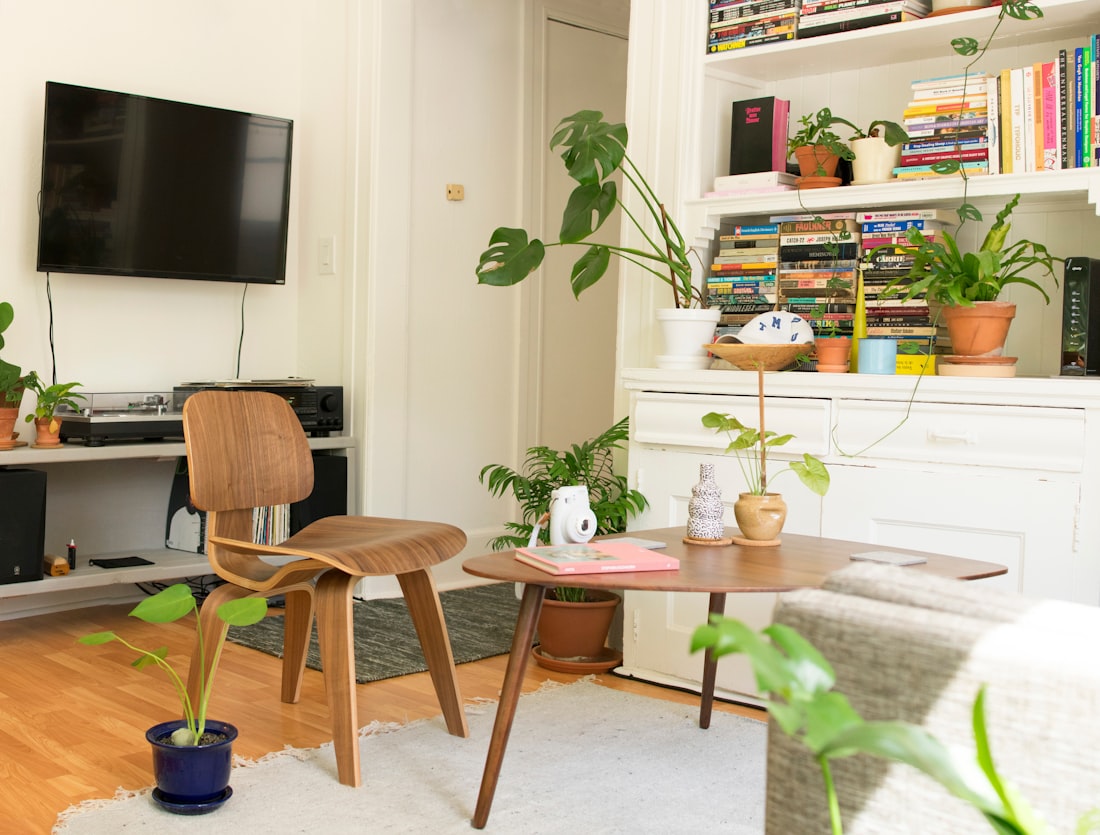
The kitchen is the few square metres with the highest density of shared-flat disputes. The only system that works is one word: divide.
- Divide the fridge by shelf: a shelf each, the door for shared things (sauces, butter). "Don't touch what isn't on your shelf" is the iron rule.
- Divide the dry goods by slot: a slot each on the shelf or in the cupboard. A label maker is the best investment a shared kitchen can make (cheap, and what you're buying is peace).
- A shared-condiments system: oil, salt, sauce and vinegar held in common, topped up in turn — more sensible than four bottles of soy sauce each going off separately.
- "Wash as you cook" instead of a washing-up rota: wash your own pots and dishes within the meal, and shared pans the moment you're done. Dishes left in the sink overnight are the root of all evil in a shared kitchen.
- The hardware fixes for worktop and smoke (a trolley, tiled-wall storage, an exhaust path) are in the tiny-kitchen note, and apply just as well to a shared kitchen.
Pets and flatmates
To keep a cat or dog in a shared flat, you have to clear two gates: the landlord (does the agreement allow it, is extra deposit charged, which damage is your liability) and every flatmate (allergies, fear of animals, disrupted routines, whether the pet can come into common areas). Both gates need a written record, especially the line that "damage caused by the pet is fully the owner's responsibility" — don't underrate it. A cat-scratched sofa or a dog-chewed skirting board both count as damage (not normal wear and tear) at the final inspection, and unless it was agreed, it's the whole house's deposit on the line.
A couple of practical tips: put a scratching post in front of the wall the cat loves to scratch, drape a washable cover over the sofa, and keep claws trimmed. Pet-friendly and deposit-safe can coexist — through prevention, not luck.
When someone moves out
The final exam of shared living. If step one's "who pays, keeps" was written down clearly, this day is just a move; if it wasn't, this day is an asset-liquidation summit. The cure: in the calm period when nobody's leaving yet, run an update through the item list in the group chat — who bought what, and the buy-out rule for anything jointly owned. Talking about this in the calm period feels natural; talking about it once someone's already leaving is a negotiation.
The people staying shouldn't forget either: when a flatmate changes over, check with the landlord how the deposit and the names on the agreement are handled (a new agreement, adding a name, refunding or topping up the deposit), so the person leaving isn't left out of pocket and the people staying aren't left exposed.
Common questions
What if my flatmates won't chip in?
Don't push it. Buy "takes-it-with-you" things yourself and set them in the common area for everyone, ownership stated. A better space is the most persuasive proposal there is — the next wave usually finds company.
One flatmate's stuff keeps taking over the common area?
Use a rule instead of blame: a legal storage slot each plus the "cleared overnight" zone. Aimed at the things rather than the person, it's far easier to enforce.
Do all flatmates have to agree before I decorate?
Your own room, no. Small movable common-area things, a heads-up. Anything that changes how everyone uses the place, a group vote with a record.
Can we keep a pet in a shared flat?
Clear both gates — the landlord and every flatmate — in writing before the pet arrives. The "owner covers all pet damage" line must be agreed first.
Category: Layout, Flow and Deposits