On my third move, I said goodbye to a wardrobe beside the rubbish truck. I'd paid a fair bit for it, used it eighteen months, and once I took it apart every joint in the particle board had worked loose — it wouldn't go back together. The removalist took one look and said, "Yeah, these are good for about one move."
After that day I started keeping a record: each move, what went on the van and what went to the tip. Eight moves on, the list is brutally honest. This note is that list — the seven pieces worth buying, the seven you'll regret, plus where to shop and how to move them.
The short version
- Three gates before you buy: Can it move with me? Will the next place use it? Could I resell it? All three, then pay.
- Worth the money: a mattress, an armchair, standard-size shelving, a floor lamp — these are "your assets".
- You'll regret: made-to-measure pieces, big sofas, cheap particle-board units, glass furniture — these are "hostages of this one flat".
- The secondhand market is a renter's friend, but buy upholstered pieces — and mattresses above all — new.
- How painful move day will be was decided the moment you placed the order.
The three gates
The three gates from the first lesson, recited once before you buy furniture: Can it move with me? (fits the lift, makes the stair turn, comes apart and goes back together); Will the next place use it? (the size isn't fussy about the room, the style isn't fussy about the wall colour); Could I resell it? (standard, a known brand, holds its condition).
That third gate gets skipped, but it's a renter's "regret insurance": a classic IKEA piece gets a buyer within the hour on a resale app, while a no-name custom cabinet won't move even for free. Buying things with good resale liquidity is, in effect, keeping the right to change your mind later.
Seven pieces worth buying
- A good mattress. The single piece a renter should spend most on, no contest. You spend a third of your life on it, it's entirely yours, and it moves with you. A decent pocket-sprung entry model is a few hundred (checked June 2026), and amortised over ten years it's the cheapest happiness in the flat. If the landlord's mattress looks questionable, add a thick protector or lay a thin topper over it.
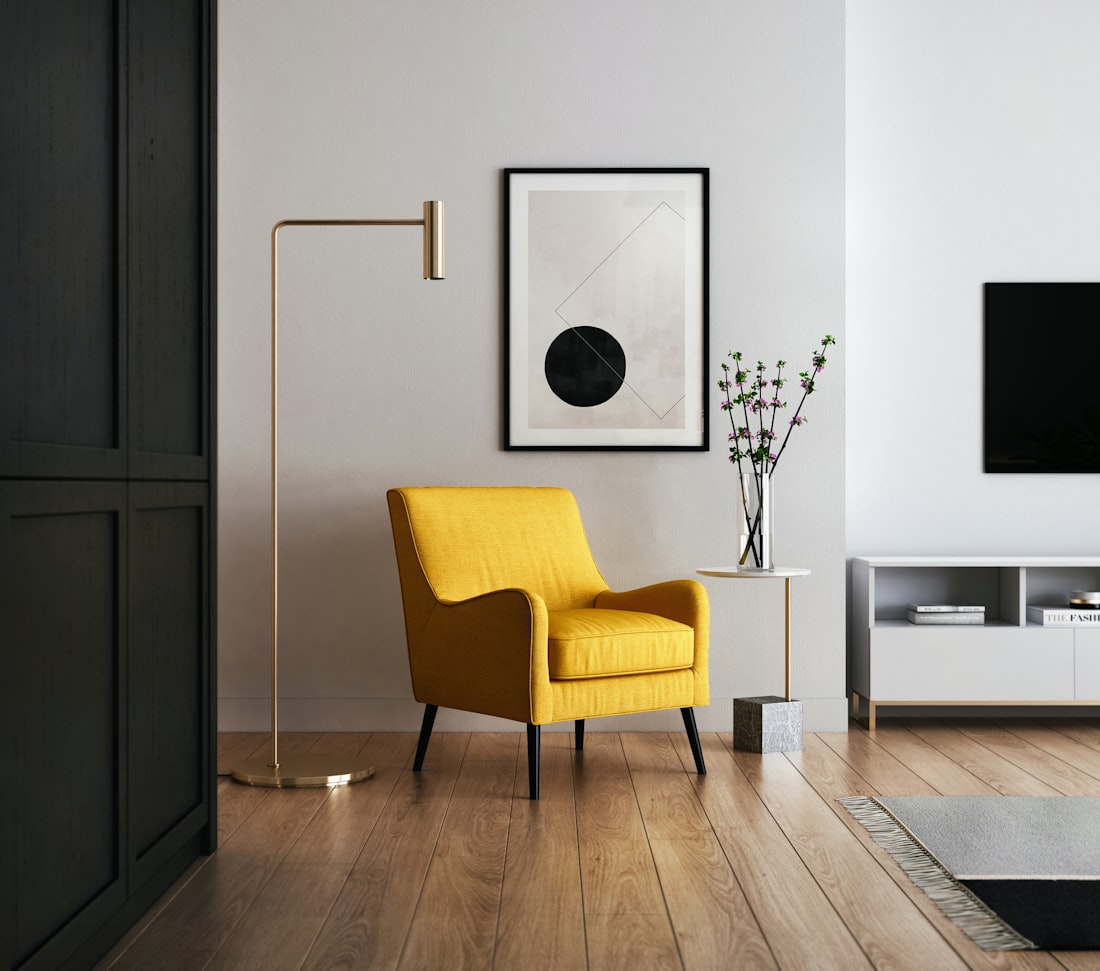
- A genuinely comfortable armchair. The case is made in full in the reading-nook note: it's eighty per cent of a sofa's comfort at a fifth of the moving hassle.
- Standard-size metal shelving. A four-tier chrome rack or a shelving-post system: pans in the kitchen, books in the lounge, a coat rack in the next place — it has no dedicated use, so it's always useful.
- A good-looking floor lamp. The workhorse of the whole lighting makeover, and the least dramatic thing to move: pull the plug, onto the van.
- A folding or extending table. 60 cm for eating alone, pull it out to 120 when friends come. "Shape-shifting" is space efficiency in a small home.
- Good curtains in a stock size. Note: a stock standard size — common sizes you can buy and hang anywhere, and shorten if you have to. Curtain fabric is an amplifier of how a room reads, so it's worth buying decent.
- An open clothes rail. The opposite of a flat-pack plastic wardrobe: structurally so simple there's nothing to break, ten minutes to put up or take down, and it forces you to control how much you own — if it won't fit on the rail, it's time to let something go.
Seven you'll regret
- Anything that "just slots into this wall". Made-to-measure sounds lovely; on move day its exact dimensions are its death warrant.
- Big particle-board flat-pack units. Every time you unscrew chipboard, the holes loosen — the second assembly is the last one. My wardrobe, may it rest in peace.
- A two-seater-plus sofa in a small place. Takes up the floor, hard to move, hard to resell — all three at once.
- Glass furniture. Glass coffee tables, glass cabinet doors: brutal to move, costs extra to protect, and reads cold in a small room. For a sense of openness, use acrylic or fine-legged timber instead.
- Bargain-bin upholstered furniture. The cheap "Scandi sofa" off a marketplace: the foam sags in three months, the fabric pills, and when you bin it you still have to arrange a bulky-waste collection too. With upholstery, buy good or make an armchair do for now.
- Giant exercise machines. The treadmill and the massage chair are renting's two white elephants: a dream when you buy, a nightmare to move, and idle at an alarming rate.
- Matching "bedroom sets". A bed frame, nightstand, wardrobe and dresser as a four-piece set: style locked, sizes locked, and if even one piece won't fit the next place, the whole set is awkward. Buy furniture piece by piece, so it can be mixed and re-matched like clothes.
Before you order, divide the price by "how many moves it'll survive". A flat-pack wardrobe that doesn't outlast one move = the full price, every move. A good mattress that lasts ten years and five moves = a fifth of the price each time, plus ten years of decent sleep thrown in. Cheap and dear often have nothing to do with the price tag.
Where to buy: new, secondhand and bargains, in order
Big-box retailers (IKEA and the like). Best for "standard goods" — shelving, table tops, lamps, textiles. Pick the classic long-running lines (still on sale years after launch): parts are easy to replace, and they resell well. Steer clear of using the cheapest entry-level particle-board ranges as big furniture — those are designed for short tenancy cycles, and the price already tells you the lifespan.
The secondhand market (resale apps, local groups, physical secondhand stores). Hard furniture in solid wood, metal and rattan is the sweet spot — heavy depreciation, high durability, and you can often pick up something in great condition for a third of new. Around moving season the local groups fill with "free, you collect" finds. The rule, restated: no upholstered pieces secondhand, and mattresses always new.
The right order for bargain-hunting. Make the list, then go shopping — not shop first and find a reason after. In a small place, every "while I was there" cheap buy becomes clutter taking up space three months later. Cheap isn't a reason to buy it; "it's on the list" is.
Move-day logistics
The fight to protect a piece's value comes down to its last battle, move day:
- Take apart what you can the night before, put each piece's screws and fittings into a zip bag, write the name on it in tape, and stick the whole bag to that piece's biggest panel.
- Bag the mattress in a proper mattress cover (cheap from a hardware shop), to keep off rain and dirt; wrap a fabric armchair twice in cling-style packing film.
- Pad between panels with old towels or cardboard, and strap the shelves of a metal rack into one stack with cable ties.
- Photograph the assembled piece before you take it apart — three weeks later, facing a pile of panels in the new place, you'll thank that photo.
Once you've moved and the furniture's in place, don't forget the restore and final inspection at the old flat — the timeline is in the 14-day move-out plan, and the deposit rules are in deposit defence.
Common questions
I'm renting, not buying — is a good mattress worth it?
Most worth it. It's about you, not the building — used eight hours a day, lasting ten years. For "how well you live", the mattress matters more than any decoration.
The landlord's furniture is ugly — can I throw it out?
No, it's part of what you rented. Ask if the landlord can take it away or store it; if not, tuck it in a corner or cover it with a plain throw. A missing piece at the end is a piece you pay for, at the landlord's price.
On a tight budget, what order do I buy in?
Mattress → desk and chair (bring forward if you work from home) → armchair → shelving and lamps → the rest. Decorative things always last; they're cheap, and buying them later costs nothing.
Is secondhand furniture a hygiene risk?
Hard furniture (solid wood, metal, plastic) is basically safe once wiped down; upholstered, padded pieces are high-risk — beginners should skip those secondhand, and a mattress is an absolute no.
Category: Walls and Storage