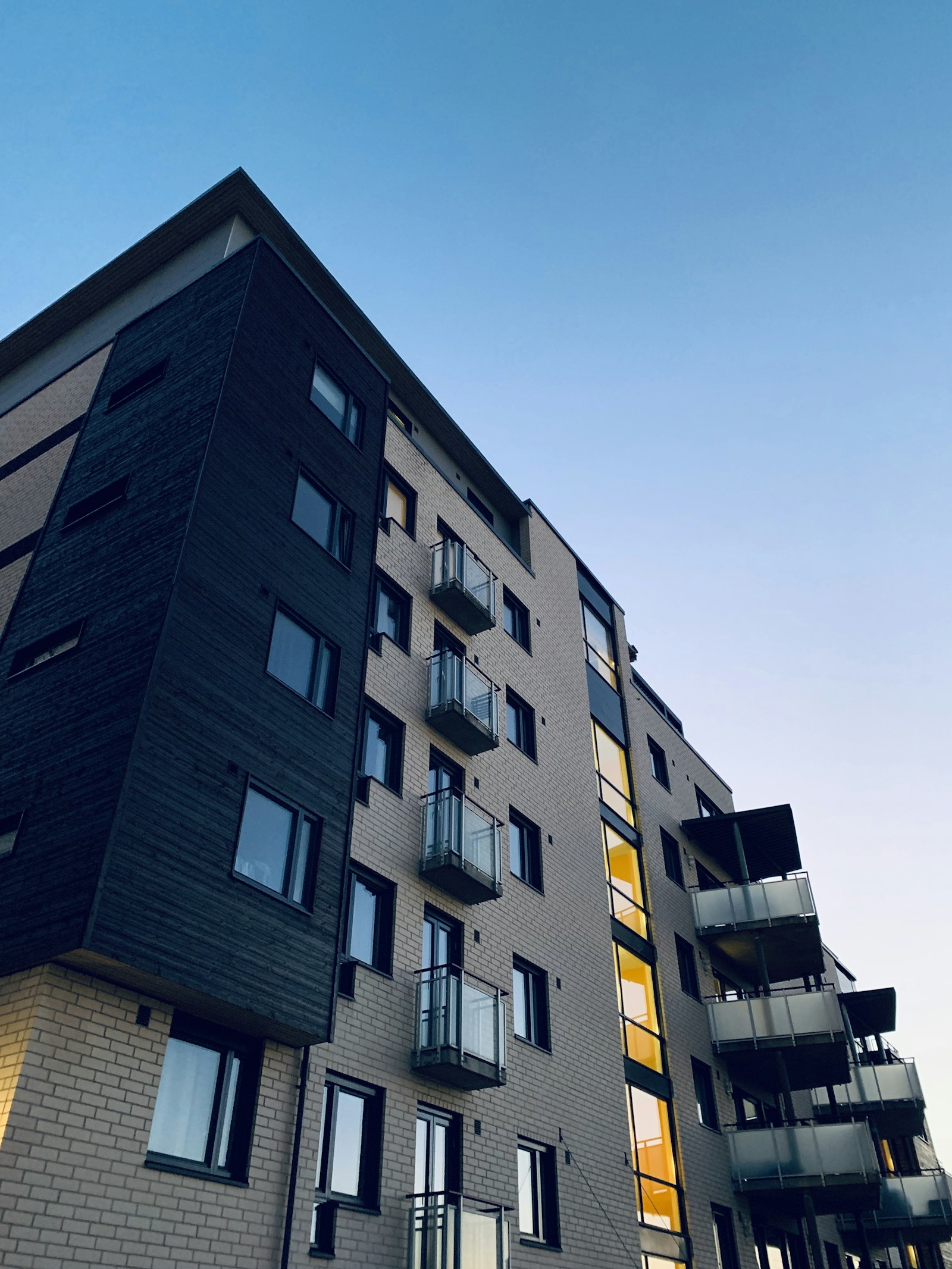
The standard-issue rental balcony comes with a washing machine, a clothesline or two, maybe a drying rack, and then nothing. On paper it's "outdoor space". In practice it's the one corner of the flat nobody wants to spend a second in.
But a balcony of even five or six square metres isn't nothing — it's floor space you're genuinely paying rent on. In my sixth rental I finally sat down and sorted mine out, and from then on breakfast had an extra seat and rainy days had a place to sit and listen to it. This note is about turning a balcony from an appliance store-room into a corner you want to use every day — without breaking the rules, blocking the drain, or upsetting the landlord.
The short version
- Before you touch it, clear three checks: don't block the fire-escape route, don't box in any gas water heater, and read your building's rules once.
- You can lay interlocking deck tiles, but the drain must stay accessible — that's the line you don't cross.
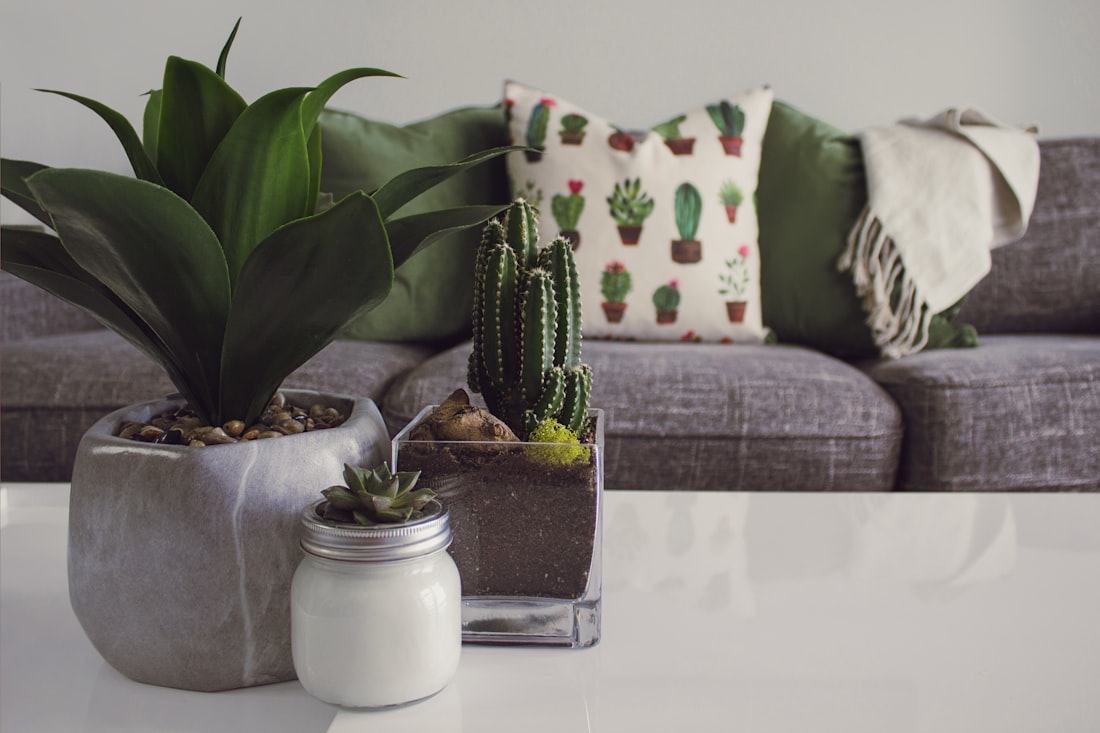
- Buy plants by aspect: a shady balcony gets shade-tolerant plants; only a sunny one earns herbs and succulents.
- One folding chair, one small side table and a string of outdoor lights is the entire cost of a balcony café.
- When a big storm is forecast, every pot comes inside. No exceptions.
Three checks: safety and the rules
The big difference between a balcony and an indoor room is that a balcony involves the safety and the look of the whole building. So the checks before you start are stricter than indoors:
- The escape route. In many buildings the balcony is part of the fire-escape path (especially where there's an escape ladder or a break-out window). However much you put out there, leave a clear path you can step through in one stride. A balcony buried under clutter isn't just ugly — it's a real safety risk.
- Ventilation around any heater. If there's an external gas water heater out there, don't wrap it in curtains, shelving or plants. Carbon-monoxide incidents almost always trace back to blocked ventilation. Keep everything well clear of it — leave a generous gap on every side and never enclose it.
- Building rules and the look of the place. Apartment blocks and bodies corporate often ban hanging anything on the outside of the railing or changing the building's external appearance, and those rules carry real weight — rules vary by country and state, so check yours. The simple version: keep every change on the inside of the railing and don't change how the building looks from outside, and you'll almost never have a problem.
Underfoot: laying a balcony floor that won't flood
The balcony version of a floor makeover follows the same logic as the indoor flooring note — cover, don't glue — but with one extra lead character: the drain. Interlocking composite-wood (WPC) deck tiles or jointed timber tiles look great and lay in minutes, but you have to get two things right:
- Leave a lift-out access tile over the drain. That one tile shouldn't lock down — you want to flip it up by hand. Leaves, soil and hair build up where you can't see them, and a balcony with a blocked drain turns into an indoor swimming pool on a stormy night. Water getting into the room is a major deposit event, plus a ruined ceiling for the neighbour below.
- Keep the original fall to the drain. The raised feet under the tiles shouldn't sit across the water's path. Water needs to run freely underneath the surface and reach the drain.
Get those two right and deck tiles are a genuinely good buy: each tile is roughly 30 × 30 cm and runs around a dollar or two apiece (checked June 2026), so a small balcony is done for well under a hundred, and the comfort of bare feet on it versus bare concrete is night and day.
Green: a beginner's plant list by aspect
The number-one reason a plant dies isn't laziness — it's buying for the wrong aspect. Stand on your balcony first and work out which kind of light you've got:
| Your balcony | Light it gets | Beginner-friendly list |
|---|---|---|
| North-facing / faces a light well | Indirect light all day, no direct sun | Pothos, snake plant, aglaonema, ferns, monstera |
| East-facing | Gentle morning sun | All of the above, plus peace lily, lipstick plant, alocasia |
| South-facing (sunny side) | Long, steady sun | Herbs (rosemary, mint, basil), petunias, succulents |
| West-facing | Harsh late-afternoon sun | Succulents, cacti, lantana, desert rose — anything else cooks in summer |
Watering is simpler than people think: push a finger two knuckles into the soil; only water when it's dry, and when you do, water it right through. Most beginner plants are drowned, not parched. Two small extra tips: always stand pots on a saucer, or they'll leave tree-ring water stains on the tiles (the kind you scrub for ages at the final inspection); and don't repot right next to the drain — do soil work over newspaper or in a tub.

Sitting down: a café in a few square metres
The end goal of doing up a balcony is that you'll actually sit on it. Three pieces is really all it takes:
- One folding chair — an outdoor one, timber or a metal frame with a fabric seat. Fold it against the wall when it's not in use; budget is modest.
- One small side table — 40 cm across is plenty for a coffee and a book. Bigger than that and it just blocks the path.
- A string of outdoor lights — USB or solar, run along the inside of the railing (inside!). At night the balcony turns into a balcony bar. Pick a 2700 K warm white, for the reasons in the lighting note.
Choose quick-dry outdoor fabric for the cushions, and bring them in before rain. If your balcony is even smaller, this shrinks further: a fold-down board that clips to the inside of the railing, plus a chair carried out from indoors, and a five-minute balcony café still works.
Coexisting: hiding the washing machine and the drying
The washing machine isn't going anywhere, but it can be tidied out of sight. Three low-cost moves:
- A curtain. A tension rod and a waterproof fabric curtain screen off the washing-machine side, and the balcony visually loses an appliance. Keep the curtain well clear of any heater (see check one).
- A shelf over the machine — a straddle shelf that stands over it, no wall, no drilling. Detergent and pegs go up, the floor clears.
- Dry on a schedule. A pulley airer or a fold-away line: dry in the day, take it down by evening, and the balcony goes back to being yours at night. Drying laundry doesn't clash with a café corner — what clashes is washing that lives out there forever.
Balcony traps
- Anything hung on the outside of the railing. Plant brackets, drying racks, light strings — all the same: against most building rules, and a falling object the moment it slips.
- Heavy pots clustered together. A big ceramic pot full of wet soil can pass 30 kg. Don't line ten of them along the same cantilevered edge — spread the weight and keep it near a structural wall.
- Timber slats laid flat with no gap. Water can't drain, and six months later you lift them onto a field of black mould, with the deposit going the same way (prevention and rescue are a whole chapter in the damp handbook).
- Extending out, adding glazing, fixing an awning. Anything that changes the structure or external look isn't an "ask the landlord" job — it's a "don't" job, and in many places it's an unapproved building work that gets the whole flat in trouble.
Common questions
My room has no balcony — can I still grow anything?
Yes. Shrink the whole idea to a windowsill: a shelf by the window with two or three shade-tolerant plants, plus a grow light if needed. A green corner reads the same with or without a balcony — and you can borrow the layout from the one-square-metre reading nook.
What grows on a north-facing balcony that never gets sun?
Pothos, snake plant, aglaonema, ferns, monstera — anything that lives on indirect light. Herbs and succulents are a slow death sentence in the shade, so don't force them.
What do I do with balcony pots in a big storm?
Everything inside the moment a warning lands, including light strings and anything light enough to move. A falling object that hits someone isn't a deposit-sized problem — there's no flexibility here.
Do I need to ask the landlord before doing up the balcony?
Putting things out doesn't need asking; a floor is worth a quick message ("won't block the drain, lifts straight out"); anything fixed or built, ask first and expect a no — balconies touch far more rules than indoor rooms do.
Category: Corners and Balcony